Döbeln
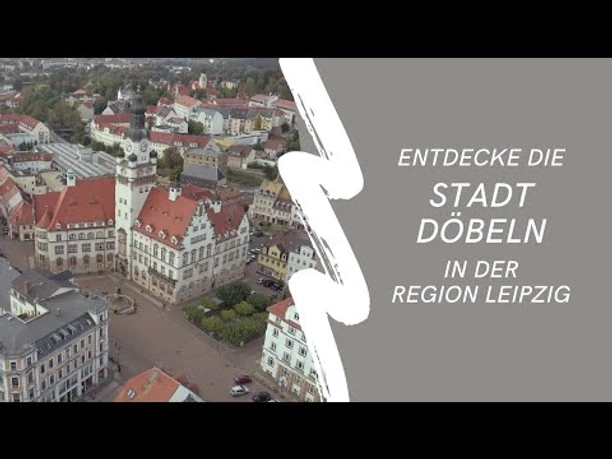


Doblin Castle was first mentioned in a deed of donation in 981, but has long since ceased to exist. However, the town on the Freiberger Mulde can boast other historical assets. The proudest witness to the past is the venerable church of St. Nicolai with one of the largest preserved late Gothic carved altars in Saxony and the Miracle Man. The movable, life-size sculpture made of lime wood is one of the very few examples of medieval piety of this kind preserved in Europe. Such figures of Christ were used to depict the Passion of Christ.
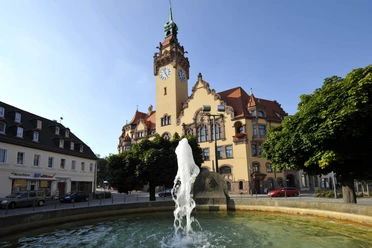
With the start of silver mining, Döbeln flourished economically. Unfortunately, however, the Thirty Years' War and severe town fires left only a few architectural monuments from the past intact. The Döbeln Theater, built in 1872, was badly damaged in a fire around 1911, but was reopened just one year later and is now used by the Mittelsächsisches Theater. The new town hall in neo-Renaissance style was inaugurated in 1912. It houses the original Döbeln giant boot and the town museum.
Art lovers will find current special exhibitions in the small gallery of the town museum and in the Sparkassenhaus Erich Heckel a permanent exhibition of works by Erich Heckel, the Döbeln-born painter and graphic artist of German Expressionism.
Since June 2007, the historic horse-drawn streetcar has been running again in Döbeln. Trips, which take place on the first Saturday of every month between May and October and on the two weekends during the Christmas market, offer the opportunity to travel at a leisurely pace through the lively town center and guarantee an unforgettable experience. The German Horse Tram Museum deals with the history of horse-drawn railroads and horse-drawn streetcars all over the world.
For sports enthusiasts, there is a very well-developed network of hiking and cycling trails available, ideal for excursions with the family and for extensive explorations in the surrounding area.
Be sure to take a look at the town of Döbeln before your visit with the digital city tour.
With the start of silver mining, Döbeln flourished economically. Unfortunately, however, the Thirty Years' War and severe town fires left only a few architectural monuments from the past intact. The Döbeln Theater, built in 1872, was badly damaged in a fire around 1911, but was reopened just one year later and is now used by the Mittelsächsisches Theater. The new town hall in neo-Renaissance style was inaugurated in 1912. It houses the original Döbeln giant boot and the town museum.
Art lovers will find current special exhibitions in the small gallery of the town museum and in the Sparkassenhaus Erich Heckel a permanent exhibition of works by Erich Heckel, the Döbeln-born painter and graphic artist of German Expressionism.
Since June 2007, the historic horse-drawn streetcar has been running again in Döbeln. Trips, which take place on the first Saturday of every month between May and October and on the two weekends during the Christmas market, offer the opportunity to travel at a leisurely pace through the lively town center and guarantee an unforgettable experience. The German Horse Tram Museum deals with the history of horse-drawn railroads and horse-drawn streetcars all over the world.
For sports enthusiasts, there is a very well-developed network of hiking and cycling trails available, ideal for excursions with the family and for extensive explorations in the surrounding area.
Be sure to take a look at the town of Döbeln before your visit with the digital city tour.
Good to know
Organization
Leipzig Tourismus und Marketing GmbH
License (master data)
Leipzig Tourismus und Marketing GmbH