Another characteristic of Open Data is the use of a machine-readable, open and non-proprietary data format. Machine-readable data formats are those that can be further processed by a computer. Not all information captured in electronic form is automatically machine-readable; for example, a PDF file is easy for people to read, but remains difficult to access for automated reuse.
Machine-readable, structured data play a crucial role for search engines. Thanks to standardised markup (schema.org), it is possible for machines to understand them directly.
Schema.org can be understood as a language for data. When these schemas are used by all providers, data can be linked to each other.
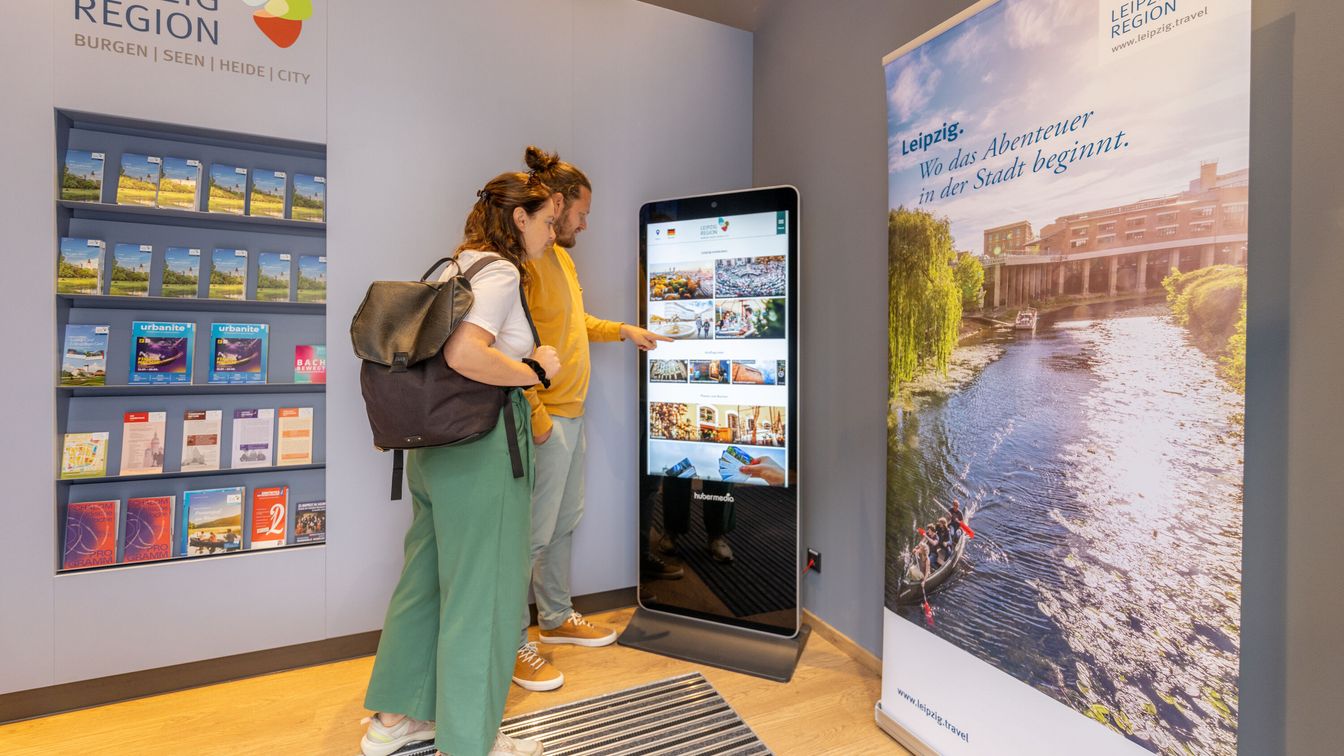
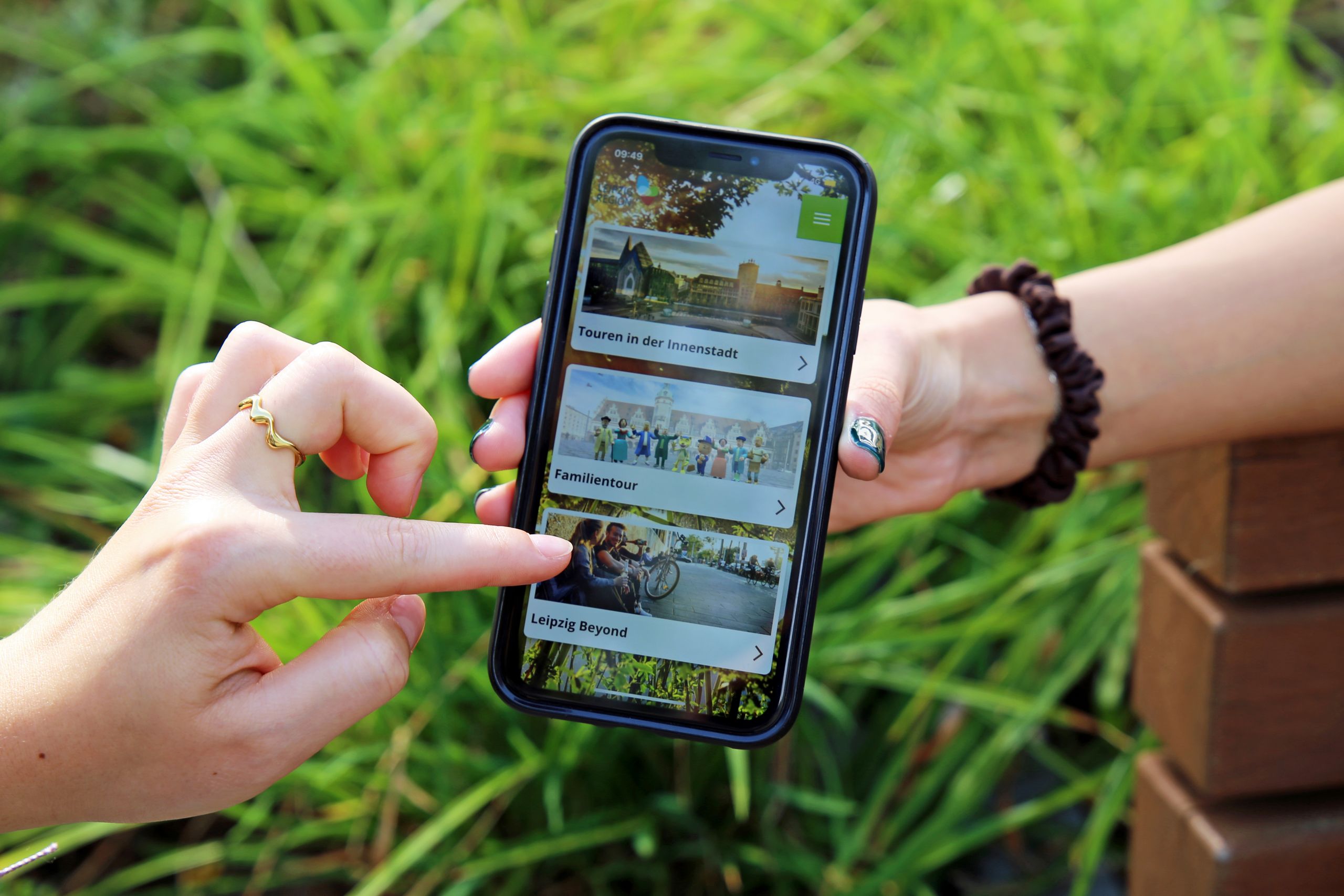
For hotels, for example, this means that basic information such as the address, geo-coordinates, number of rooms or star rating is available in a predefined structure. No matter whether the data is accessed via a search engine, Alexa or a digital information display – the machine understands the content and can output it independently of the application.
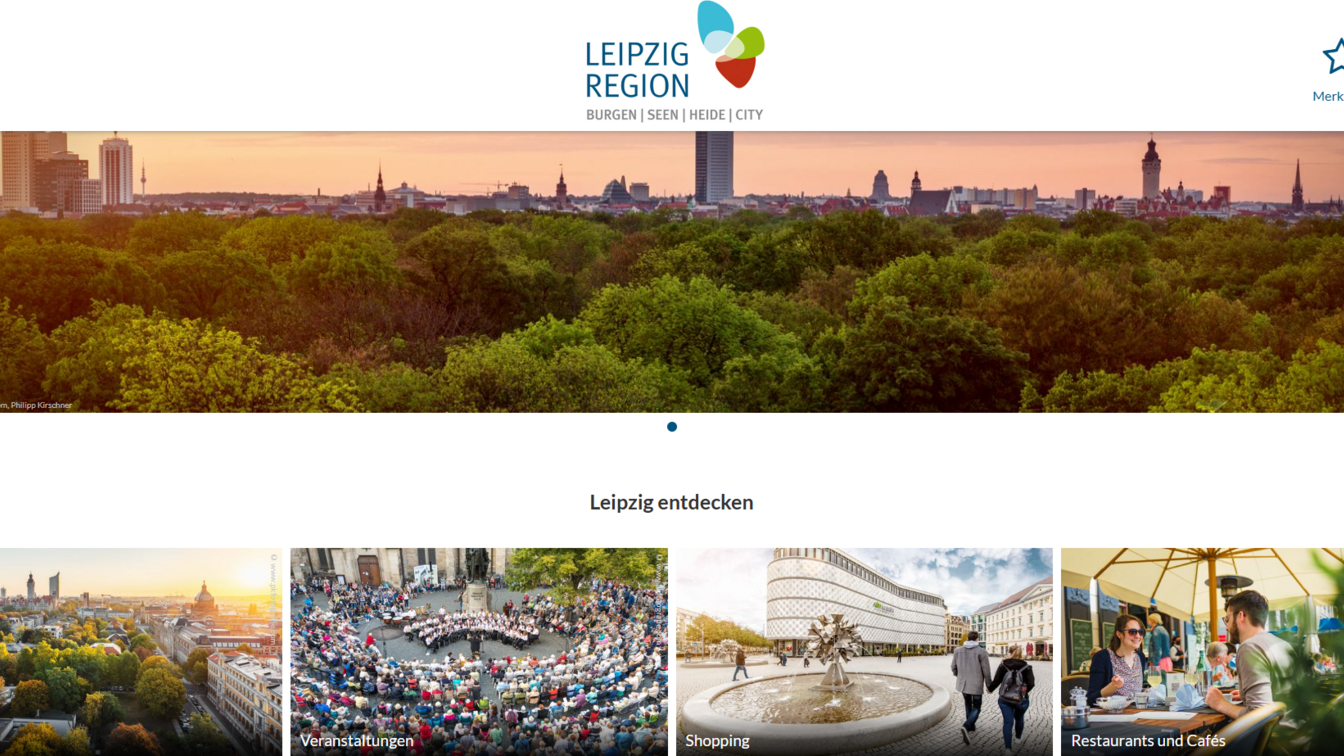
Leipzig Tourism and Marketing has already transferred a large share of tourism and convention data to the statewide data hub (SaTourN) and made it available under Open Data licences.
From there, the data is integrated into the Knowledge Graph of German tourism (DZT) as well as the subgraph for business tourism (GCB). There, it is widely accessible and available for reuse within a modern data architecture.
Here you can check whether your organisation is already digitally equipped:
DZT Knowledge Graph