For centuries, people in Leipzig and the surrounding region have enjoyed culinary specialities − from “Scheelchen Heeßen” (a cup of coffee) and the vegetable dish “Leipziger Allerlei” to the top-fermented beer delicacy “Gose”. But you’ll also find fresh fish and the finest chocolate here, tasting as delicious as you would otherwise only expect in Norway or Belgium. Gourmets will be in their element here, because you simply can’t get enough of these regional delicacies − whether savoury or sweet.
Regional Specialities
from Leipzig and the region
Leipzig Specialities Highlights
-
Leipzig pastries
-
Chocolate creations
-
Beer and liqueur specialities
-
Leipziger Allerlei
Bachtaler and Bachtorte
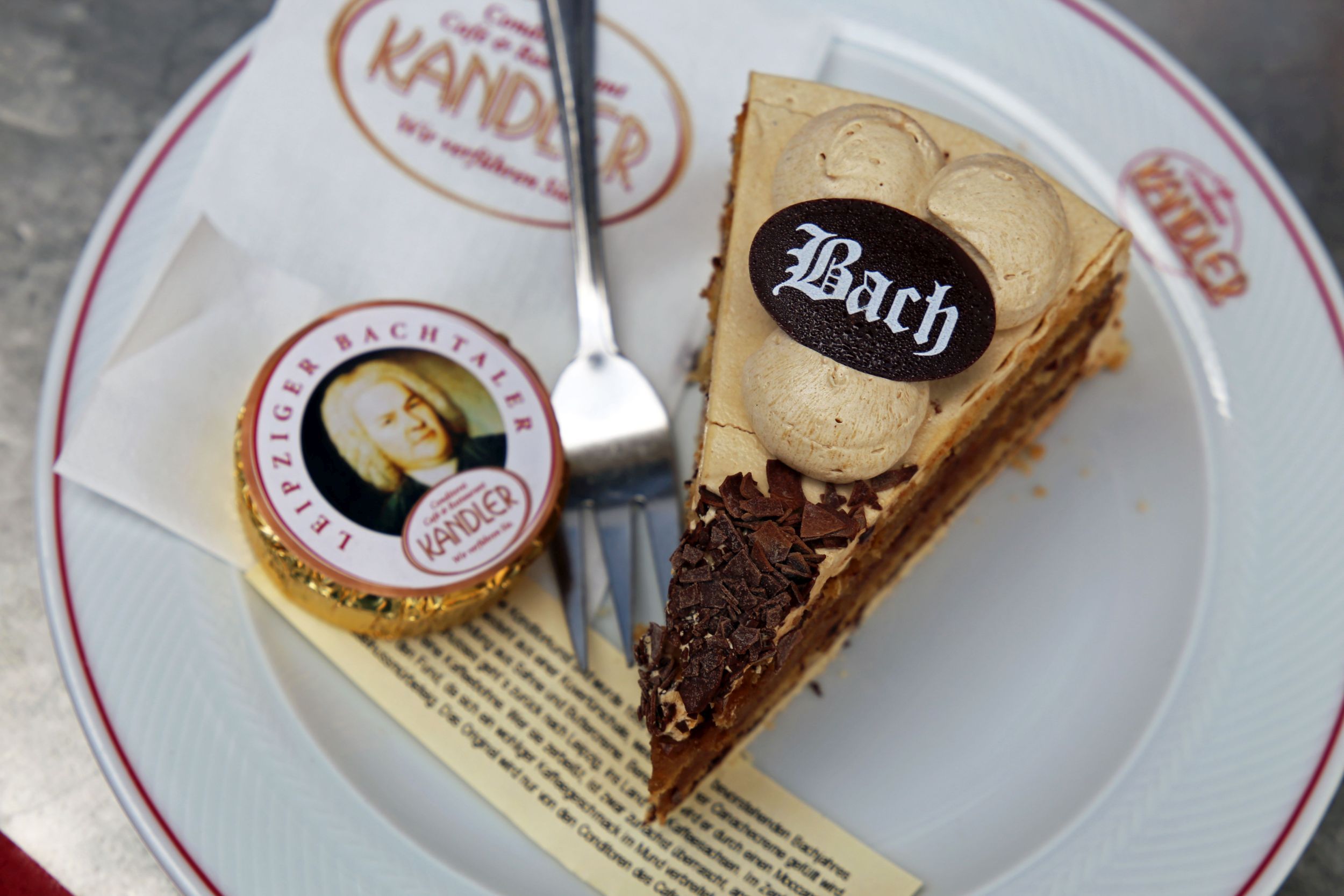
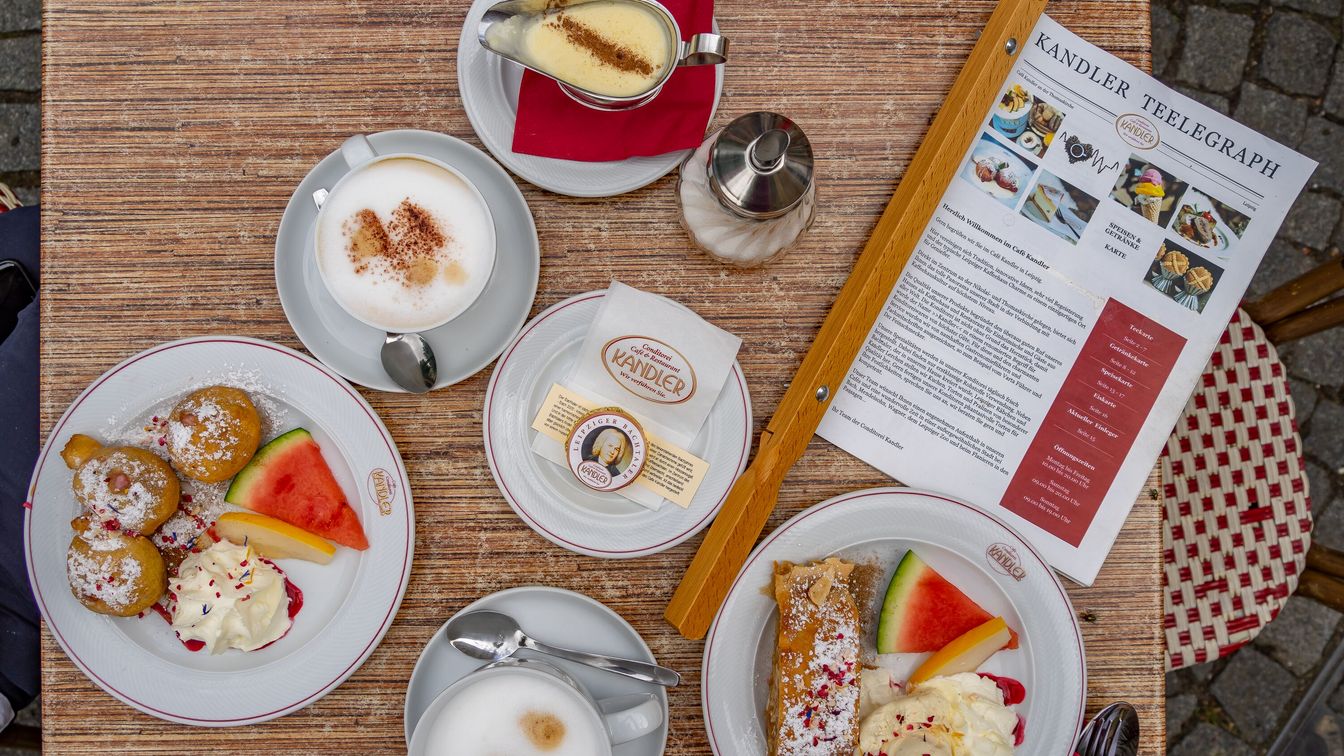
The Bachtaler consists of a couverture shell filled with ganache cream − a harmonious combination of cream and buttercream. This distinctive pastry was created by Leipzig pastry chef René Kandler to mark the 250th anniversary of Johann Sebastian Bach's death. At the center of the taler is a coffee bean enclosed in hazelnut shortcrust pastry. The original Bachtaler is made exclusively by the pastry chefs at Café Kandler.
The delicious Bachtorte, filled with a light mocha coffee cream, was also created here. Served with hot chocolate or the Bach Coffee developed especially for the Bach City of Leipzig, the "Bach indulgence" is perfect. The stomach-friendly, low-irritation yet highly aromatic Bach Coffee was created in cooperation between GANOS Kaffee-Kontor & Rösterei AG and Café Kandler.
Leipziger Allerlei
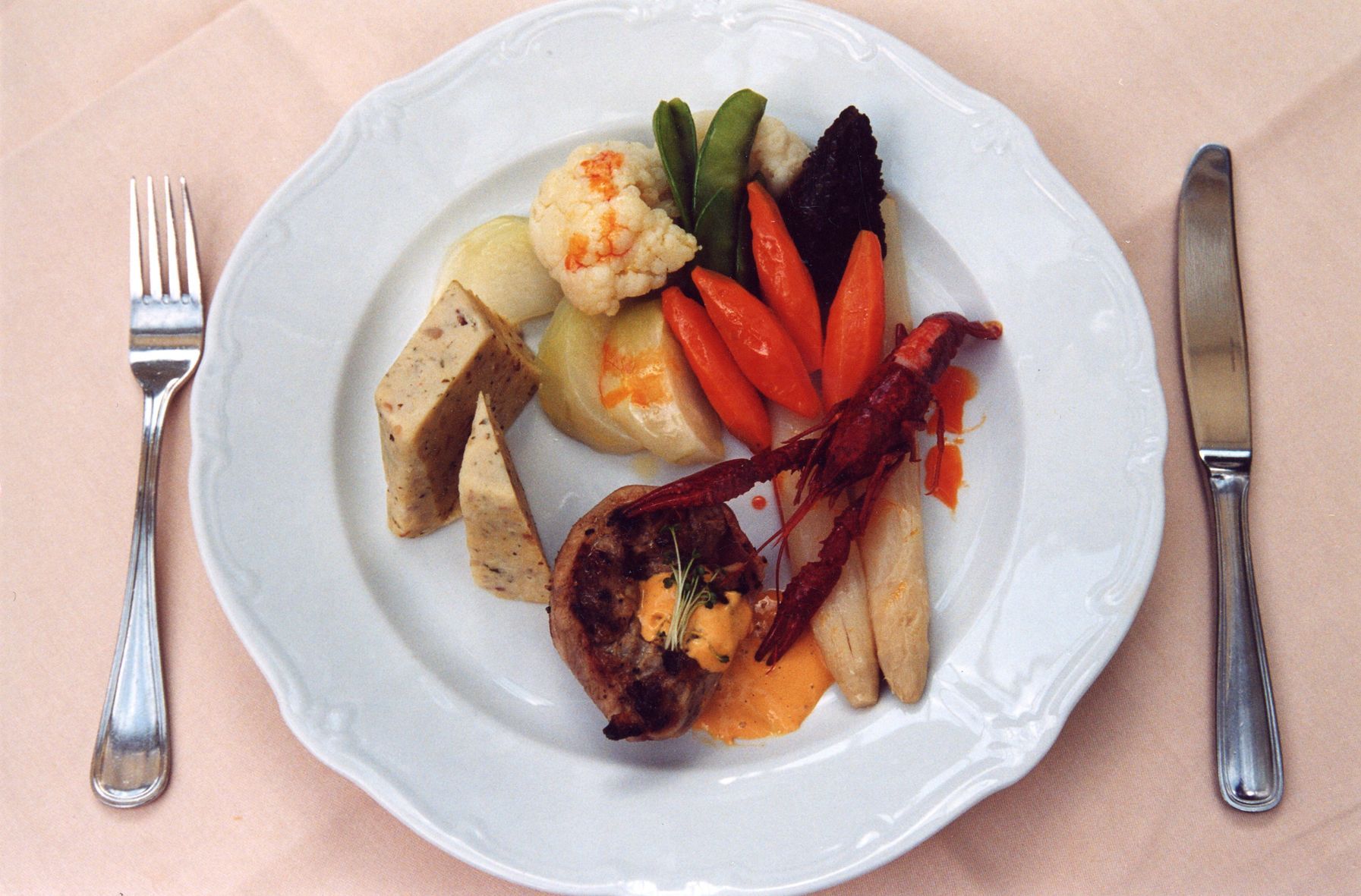
Leipzig’s best-known speciality is the “Leipziger Allerlei” — a vegetable dish that is also served as a side dish. It became widely known in the 19th and 20th centuries. Around 1900, the dish was simply called “Allerlei”; the place name “Leipziger” was only added when it was included in various cookbooks. Legend has it that the dish was meant to protect Leipzig’s wealthy citizens from tax collectors after the Napoleonic Wars. By serving them "only" a vegetable dish, people wanted to make them believe there was no money to be found in the household.
Today, you can find "Leipziger Allerlei" in supermarkets throughout Germany as frozen food. According to the traditional recipe, however, it includes not only young vegetables such as carrots, kohlrabi, asparagus and cauliflower, but also morels, crayfish tails and small bread dumplings. The original "Leipziger Allerlei" is served seasonally — in June, during asparagus season, when the closed season for crayfish is over and the vegetables have been freshly harvested.
Leipziger Gose
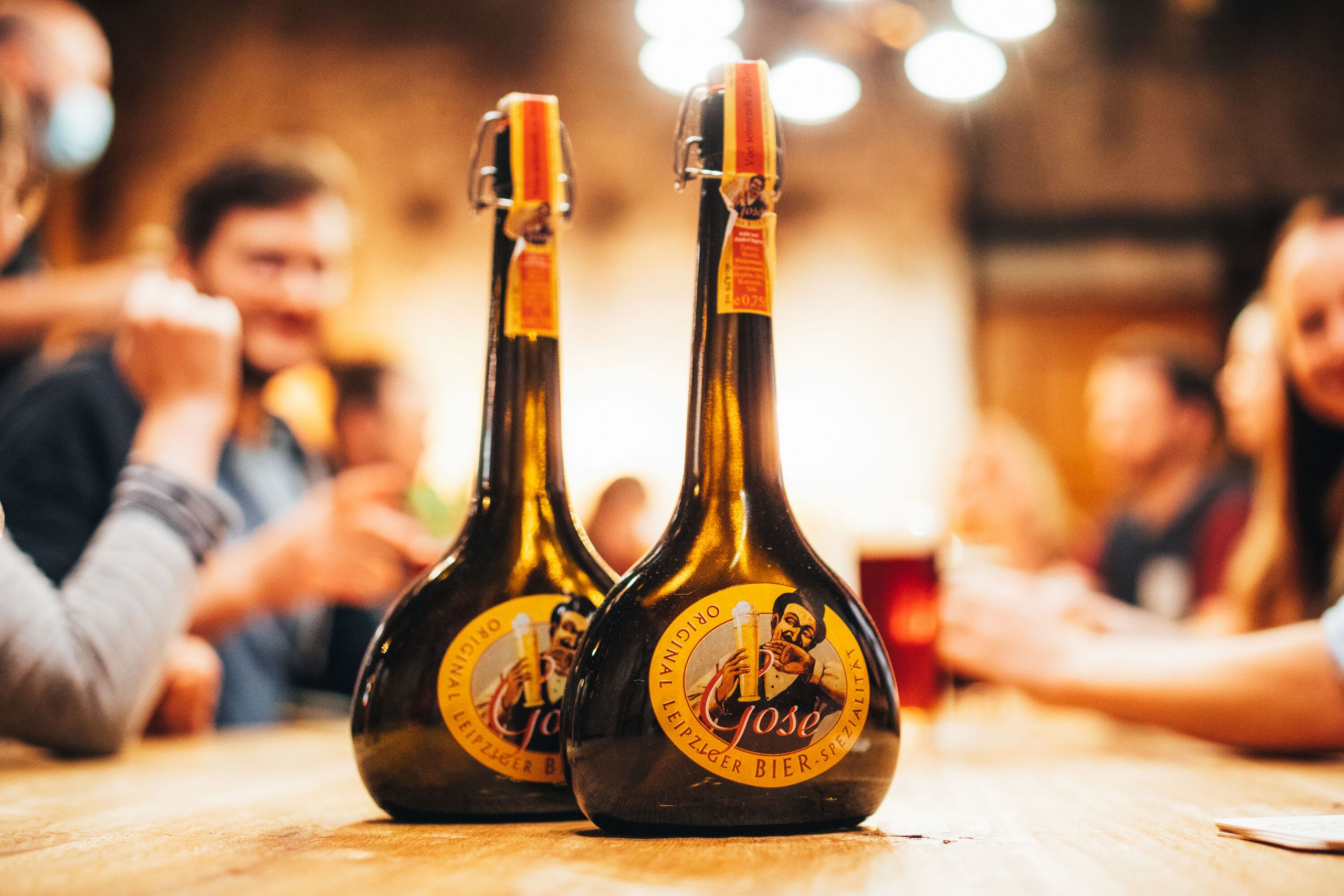
"What the rose is among flowers, Gose is among beers." This beer speciality is a top-fermented, slightly sour wheat beer brewed with the addition of table salt and coriander as well as a high proportion of organic lactic acid. Its name derives from its place of origin, the old imperial city of Goslar. Emperor Otto is said to have praised it here as early as the year 1000. In the Middle Ages, "Goslar beer" spread as far as Anhalt. Thanks to the recommendation of the "Old Dessauer", Gose has found its new home in Leipzig since 1738.
Around 1900, Gose was the most widely drunken beer in the Trade Fair City of Leipzig. Its main supplier from 1824 onward was the Rittergut Gose brewery in Döllnitz. From 1966, however, Gose disappeared. Fortunately, that changed 20 years later when Lothar Goldhahn reopened the old Gose Beer Pub. Today you can get Original Ritterguts-Gose in more than 100 pubs and restaurants.
You can mix Gose with Allasch, syrup and cherry liqueur. In this spirit: Goseanna!
Here you can find Leipziger Gose
Welcome to Leipzig - The Podcast for Your Leipzig Trip
Culinary city tour of Leipzig
Leipzig Allasch

Allasch is a caraway liqueur made using caraway distillate, characterized by its high alcohol content (around 38% ABV), strong caraway aroma, and generous added sugar. Allasch owes its name to its place of origin, a Livonian estate near Riga in Latvia. In 1830, merchants probably brought the Allasch recipe from there via Mecklenburg to Saxony. Here, Allasch enjoys great popularity and has been produced since 1926 in the oldest Leipzig spirits and liqueur factory, the company Wilhelm Horn, which was founded in 1923. It bears the name “Genuine Leipzig Allasch”.
The liqueur is usually served ice-cold and is often enjoyed as a digestif after a meal. Many people also drink it together with the Leipzig beer specialty Gose, known as a “Gose Regenschirm”.
Leipzig Linden Taler
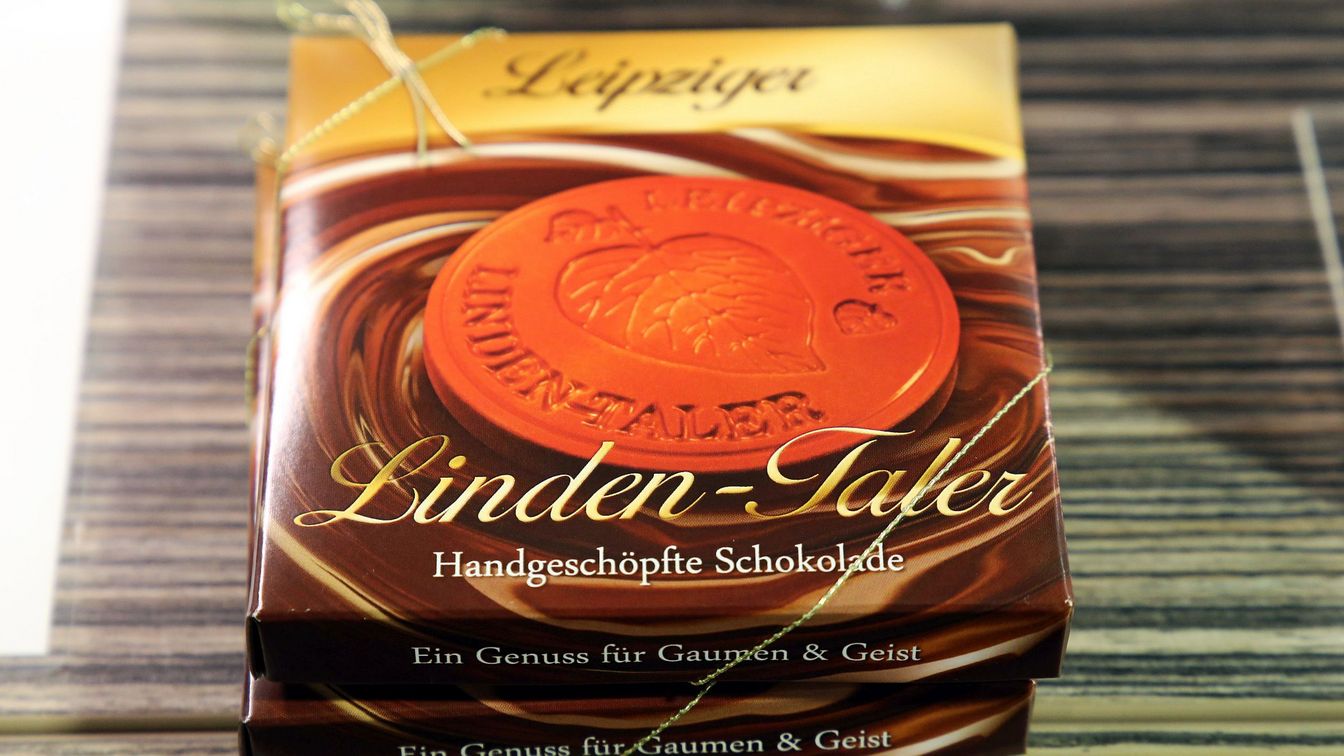
Salzburg has its Mozartkugel, Pulsnitz has its gingerbread, and Leipzig has the Linden-Taler. It represents the origin of Leipzig’s name and is derived from the Slavic word Lipsk, which means linden tree.
This sweet treat is a truly fair product. The cocoa beans for the chocolate taler come directly from farmers in Colombia, and the cane sugar comes from fair cultivation in Paraguay. The linden blossom honey cream truffle filling makes this 25 g delicacy probably the largest praline in the world—and certainly the tastiest.
But the Leipzig Linden-Taler is more than just a piece of chocolate. A 20-page brochure in German and English, featuring attractive images of Leipzig and surprising facts about the city’s history, makes the taler a popular souvenir.
-
The Leipzig Linden-Taler is handmade chocolate
-
Lipsk means “the place by the linden trees”, because Leipzig is the city of linden trees
-
The idea for the Leipzig Linden-Taler came from Wilfried Opitz, Managing Director of Pfeffi plus e. K.
Leipziger Lerche
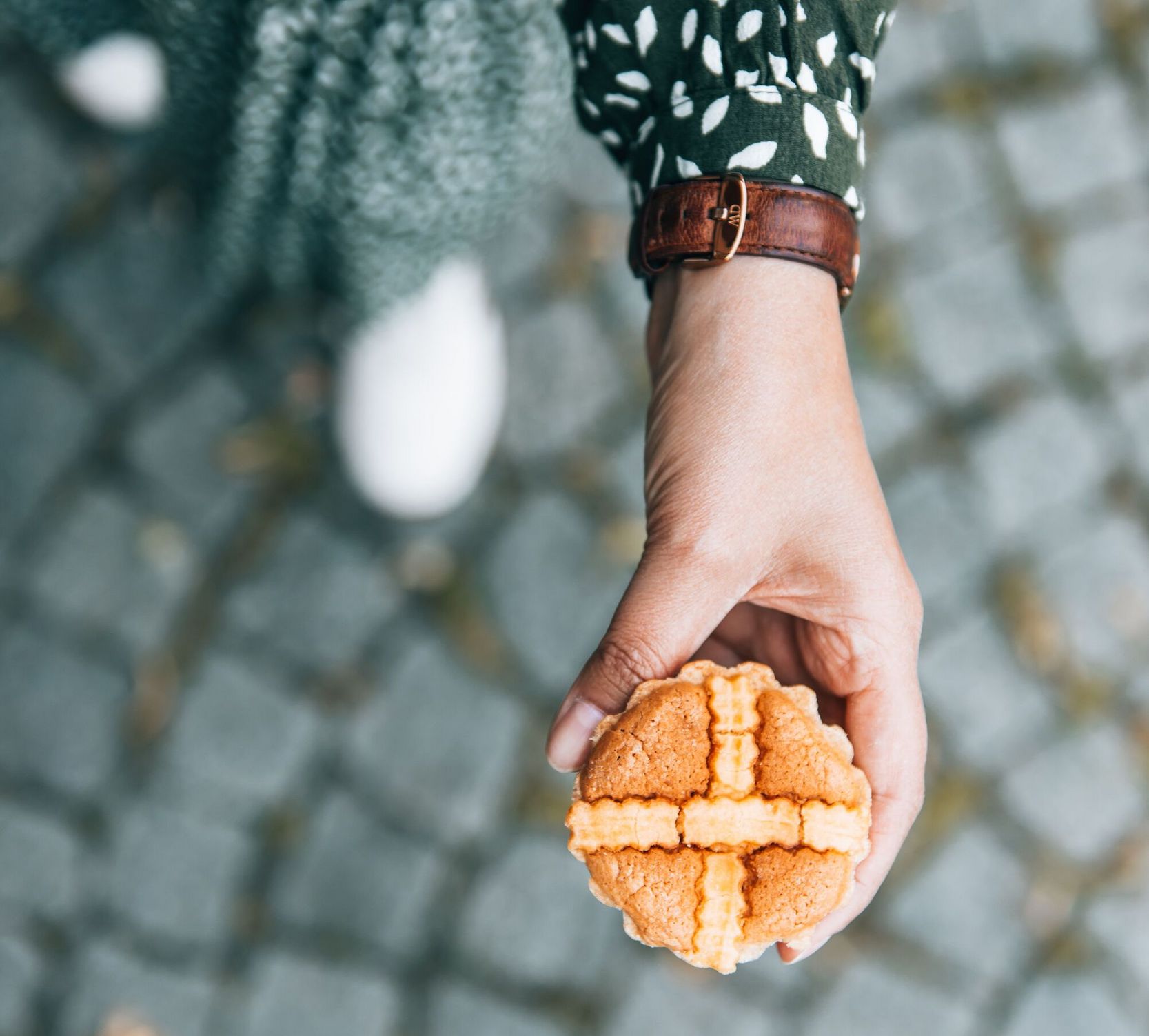
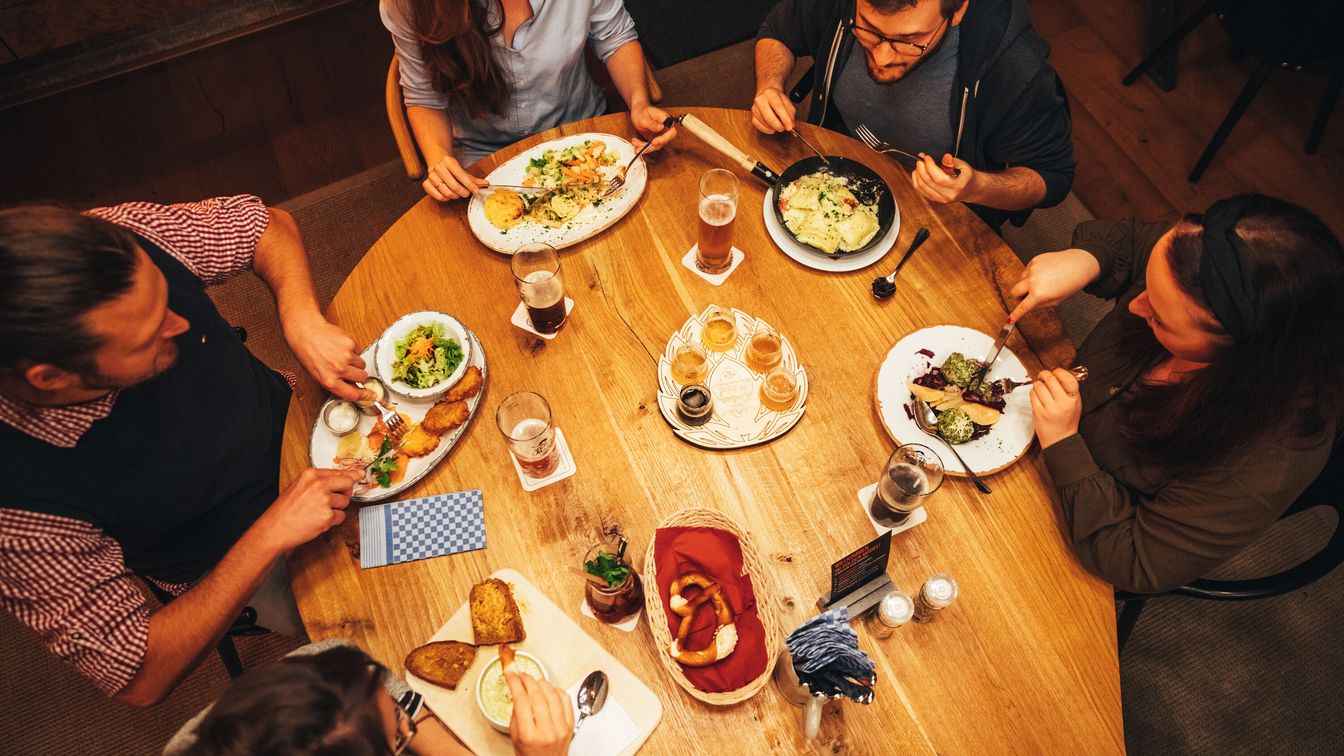
A special delicacy is the “Leipziger Lerche”, which made it onto international menus in the 18th and 19th centuries. As the name suggests, skylarks originally ended up in the pan. An estimated 1.5 million of these songbirds were caught each year in Leipzig’s floodplains, baked with herbs and eggs, and served by the “lark women” in Salzgässchen with sauerkraut or wrapped in bacon. In August 1860, thousands of songbirds died in a terrible hailstorm. As a result of public protests, the Saxon King banned lark hunting in 1876. Resourceful master bakers quickly found a substitute by creating a delicacy made from oven-fresh shortcrust pastry, almonds and nuts, as well as strawberry jam and marzipan.
The shortcrust pastry tartlet resembles a bird skin. The two crossed strips of shortcrust pastry symbolise the original thread used to hold the stuffed bird together. To this day, Leipziger Lerchen are made by hand in seven different steps and are more popular than ever before.
Explore Leipzig App
City Centre Tour - Leipzig on Foot

Discover Leipzig’s most important attractions in no time!
The Leipzig Highlights Tour in the Explore Leipzig App is ideal for anyone who wants to experience the highlights of the city centre quickly and comprehensively. The interactive tour includes seven exciting stops and gives you a compact overview of Leipzig’s historic centre. During the tour, you can take a break at any time to relax in the city centre’s many cafés and restaurants — and sample plenty of Leipzig specialities along the way!
Tour details:
- Flexible starting points: Start the tour at any stop
- Overview: Comprehensive insight into Leipzig’s history and culture
Start your tour of discovery through Leipzig and let the highlights of the city centre inspire you!
Saxon fruit
The mild climate, balanced rainfall and fertile soils have always favored fruit growing in the region between the major cities of Dresden, Leipzig and Chemnitz. As a result, the fruit-growing tradition in this area dates back to the 12th century. At that time, nuns and monks of the Cistercian order created monastery gardens for their own food supply, cultivating the first fruit trees and shrubs as well as vegetables and medicinal plants.
Since 1991, the Obstland Dürrweitzschen AG has continued the more than 800-year-old fruit-growing tradition on more than 1,500 hectares of cultivated land. The "Sachsenobst" brand stands for the finest fruit products, juices and fruit wines from local cultivation. As part of the Obstland Group, Sachsenobst is one of Germany's most advanced fruit producers and is committed to sustainable fruit growing in Central Saxony.
GeoGenuss products
In the Porphyrland Geopark, culinary enjoyment is being created that is far more than cuisine alone: GeoGenuss products combine regional craftsmanship with the region’s eventful geological history, making it a sensory experience in every bite. These specialties are based on soils shaped by supervolcanism, ice ages, and sedimentation processes – a geological heritage that contributes to their flavor.
GeoGenuss products are ideal not only for enjoyable breaks on discovery tours through the landscape, but also as souvenirs and gifts that embody the special character of the Porphyrland region. They can be purchased at the RegioOutlet in Grimma or in the online shop. A selection of GeoGenuss products is also available at the tourist information offices in Bad Lausick, Naunhof, Rochlitz, and Wurzen, at the monastery shop in Buch Monastery, at Kräuterhof Falkenhain in Lossatal, and at the ArkaZien Adventure World.

Wermsdorf Nut Cream
"Wermsdorfer Nusskrem" is an especially creamy spread made from regional hazelnuts from the Saxon Fruit Region. The harvest is processed by chocolatier Olav Praetsch, who refines the nuts with artisanal care into a fine speciality. The cream owes its distinctive flavour in no small part to the nutrient-rich alluvial soils of the Mulde floodplains, where the hazelnuts thrive.

Delicate Apple Dream
Olav Praetsch’s melt-in-the-mouth chocolate creation combines fine chocolate with delicately tart apple pieces from the Sächsisches Obstland region. The apples give it a fruity freshness and a balanced harmony between sweetness and pleasant acidity. The result is a special delicacy whose aromatic depth is also shaped by the region’s fertile soils, formed during the Ice Age.

Porphyrland Ice Cream Sundae
The Porphyrland sundae at Chocolaterie Praetsch combines hazelnut and vanilla ice cream with nougat, caramelised hazelnuts, whipped cream and hazelnut brittle. As it melts, it forms a delicious “mass” with embedded treats – an indulgent reflection of the mineral structures found in volcanic porphyry rock.
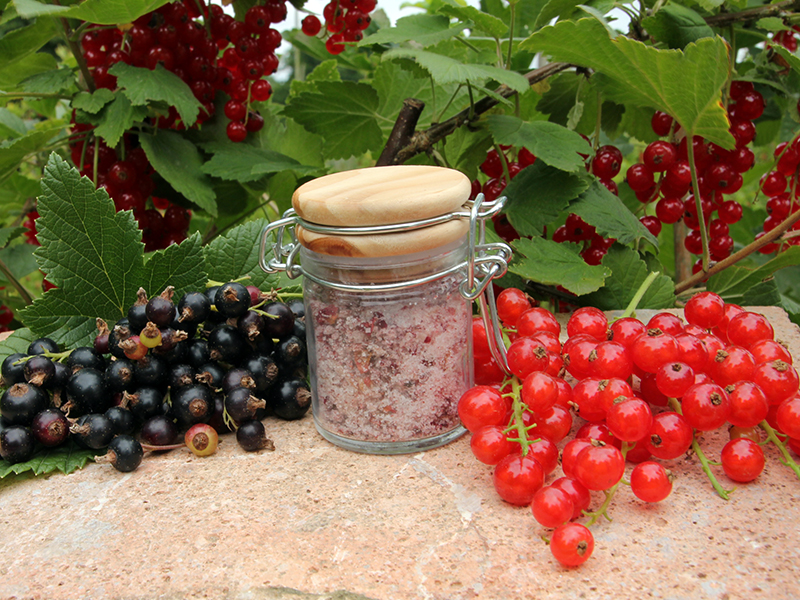
Johannis Porphyry Tuff
“Johannis Porphyrzucker” combines dried organic black currants with organic granulated sugar to create a unique sweet specialty. Filled in decorative jars, it adds a fruity note to dishes and summery drinks. The product delightfully reflects the rich colors and structure of Rochlitz porphyry tuff and is a special souvenir from Geopark Porphyrland.
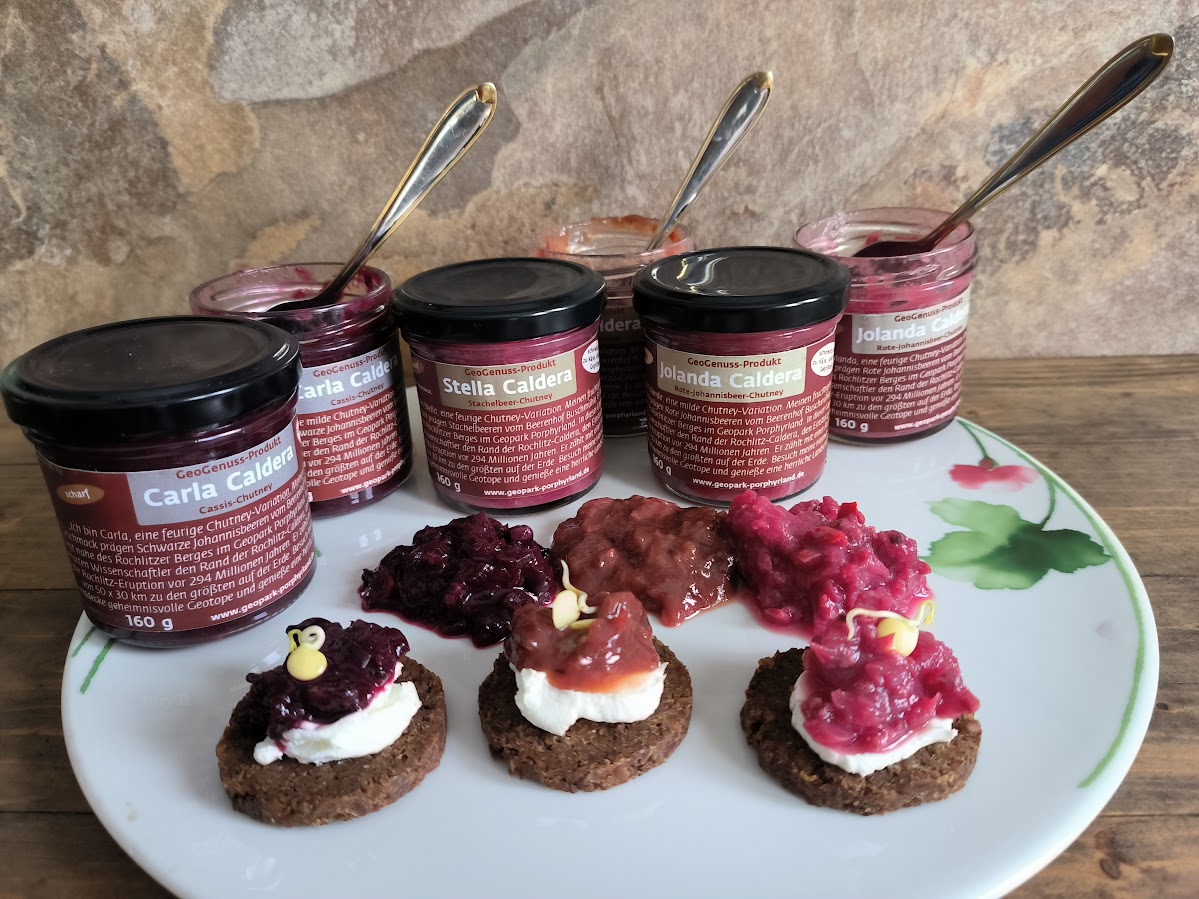
Stella, Jolanda and Carla Caldera
The three chutneys from Beerenhof Buschmühle combine gooseberries, red currants, and cassis into flavorful specialties. Inspired by the calderas in Geopark Porphyrland, they impress in mild or spicy varieties with vibrant colors and fine ingredients. Whether enjoyed on their own, with cheese, or with game, they turn every bite into an intense taste experience that brings the region’s geological history to life through culinary enjoyment.
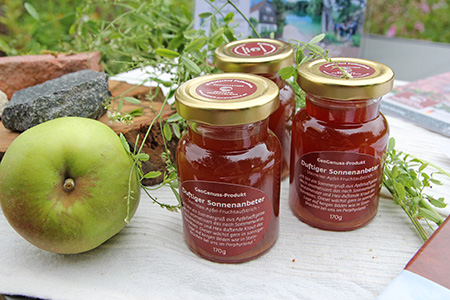
Fragrant Sun Worshipper
The fruit spread combines apple jelly with aromatic sweet clover from Geopark Porphyrland. The sweet clover brings intense notes of summer meadow, woodruff, and hay, while the apples come from regional traditional orchards. The result is a spread with a distinctive, natural flavor.

Wild Porphyry Land Menu
A culinary experience that brings the treasures of Geopark Porphyrland to your plate: the starter “From the Forests of Geopark Porphyrland”, followed by hearty venison goulash as the main course, rounded off with the dessert “Sweet Wachtelberger”.

Porphyrland blossom honey
Nestled between Wermsdorf and Mügeln, the idyllic village of Gröppendorf on the Döllnitz River is home to its open-cast kaolin mine. Here, beekeeper Britta Wölkner devotes herself to beekeeping with passion. Her colonies are kept at various locations in Geopark Porphyrland, including the nearby Döllnitzsee lake. Depending on the season, the diversity of blossoms and the soil conditions shape the distinctive flavor of her honey.
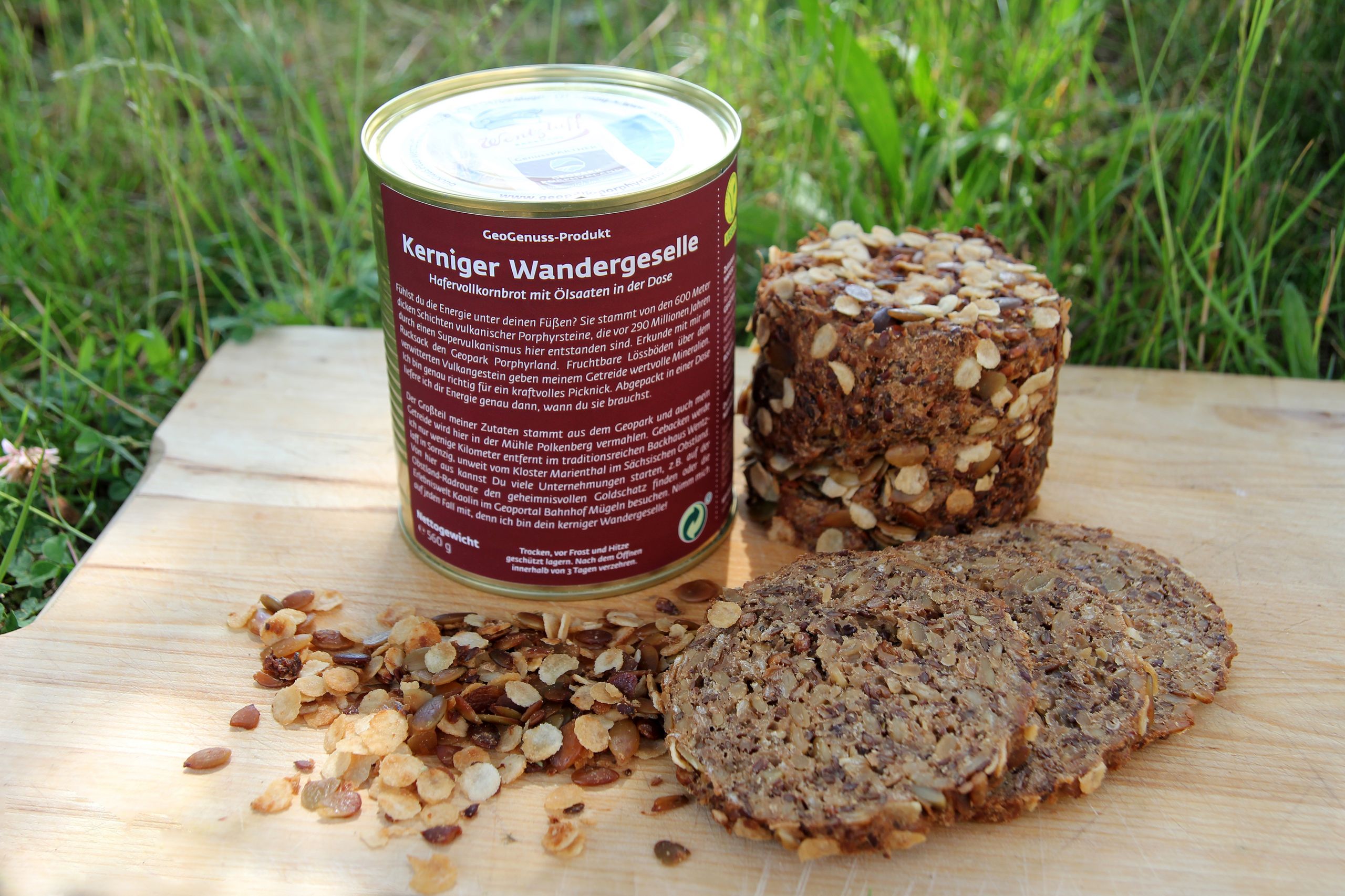
Hearty Hiking Companion
The whole-grain oat bread from Peter Wentzlaff Bakery is a true powerhouse: vegan, lactose- and gluten-free, rich in oilseeds and therefore especially high in energy – ideal for hikes. Packed in a tin, this hearty bread will keep unopened for up to ten years. Its high-quality ingredients grow on nutrient-rich loess soils from the Weichselian glaciation over weathered volcanic rock – a mineral-rich foundation for excellent taste.
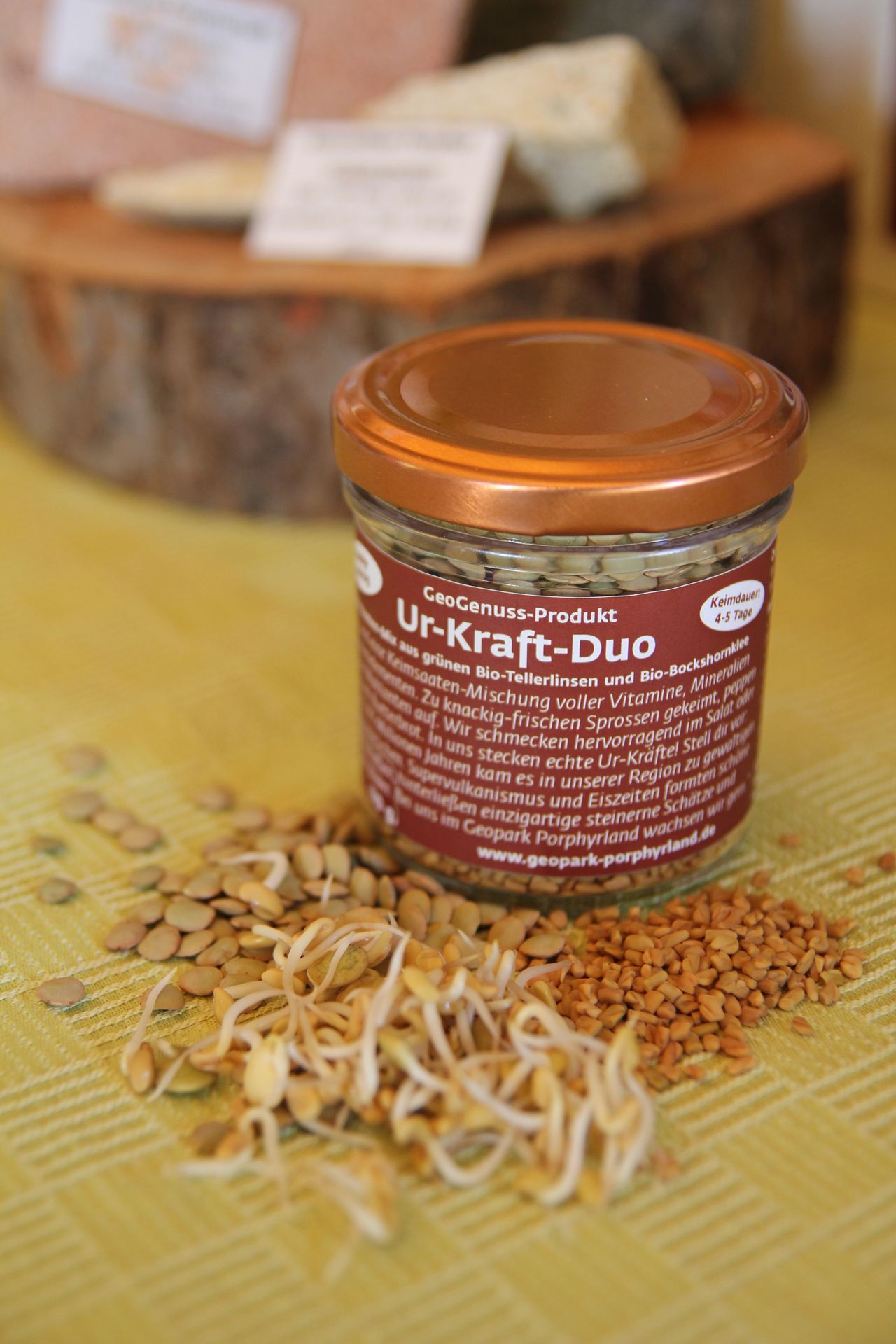
Primal Power Duo
The “Primal Power Duo” combines organic sprouting seeds from green lentils and fenugreek to create a nutrient-rich sprout mix. Once sprouted, they develop a spicy-fresh taste and enhance salads, hot dishes, or simply fresh bread.

Salto Vitale
On the Feldversuch Leben farm, various types of savory grow among the vegetables – including summer savory and winter savory. Once brought to Central Europe by the Benedictines, this aromatic herb is now a staple in the kitchen and also a valued medicinal herb. The creative “Salto Vitale” salt range from the spa town of Bad Lausick begins with savory salt – inspired by a region where health and healing traditions take center stage.
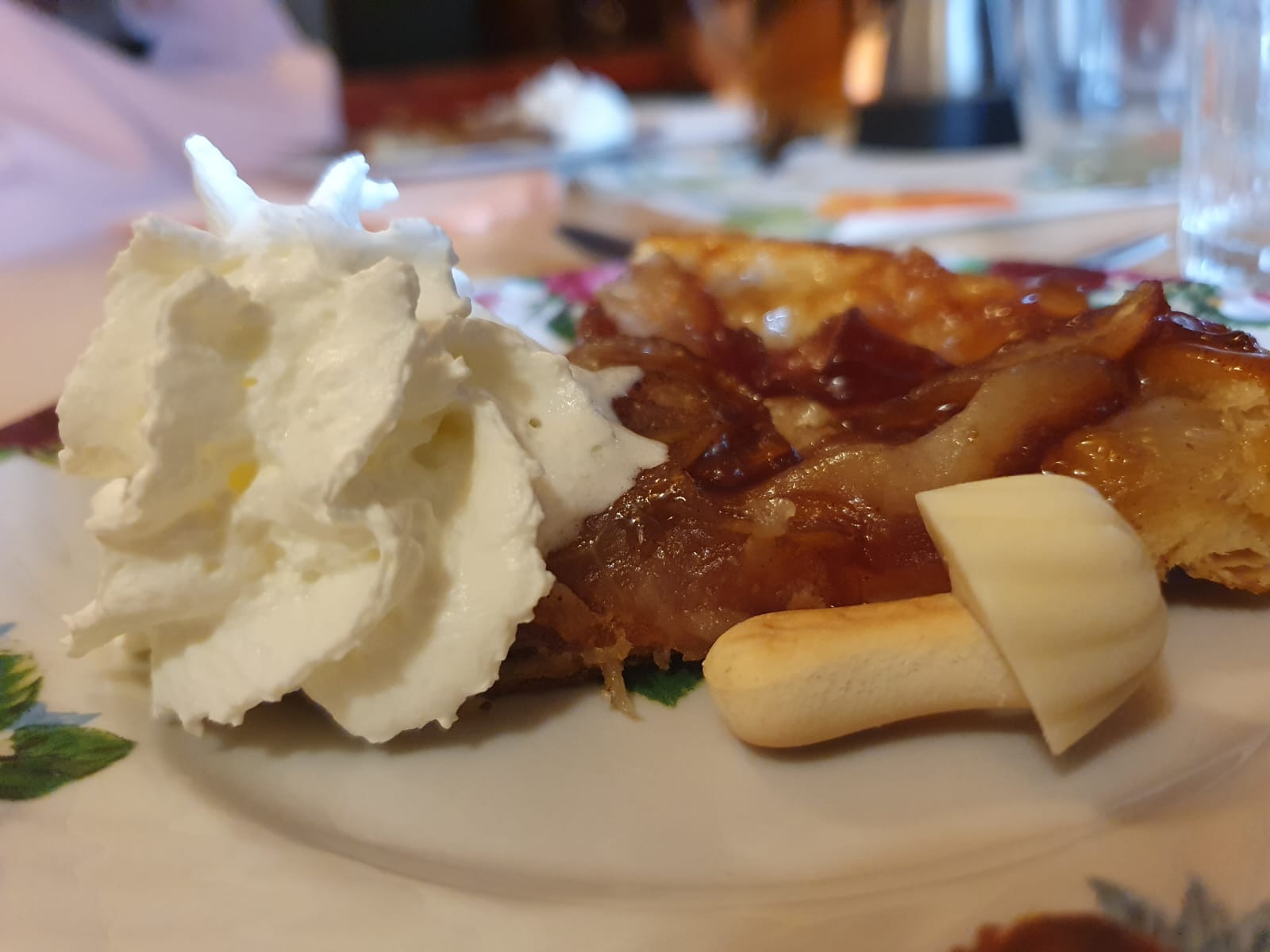
GeoGenuss menu
At the Zur alten Bäckerei restaurant, Jörg Heinzmann serves an exclusive GeoGenuss menu. With artisanal precision and seasonal, regional ingredients, creative dishes are created that honor the region shaped by fruit growing: each course is refined with a local apple variety. Brief insights into the geological features of the surrounding area round off the experience.
Culinary Delights & Crafts
Tradition and innovation, creativity and artisanal precision, sustainability and high quality – these are what distinguish the culinary and handcrafted products from the Leipzig district. Behind them are people who create something new every day with dedication and great attention to detail: from unusual earrings or pottery to home-roasted coffee and sausage and cheese specialities.
When you buy regional products, you benefit not only from freshness and short transport routes, but also from personal contact with the producers. Some of them are happy to share their skills in courses or on demonstration days. And the unique handcrafted items are always a good idea as gifts, too.
Specialties from Wermsdorf
-
Wermsdorf fish
-
Wermsdorf roast goose
-
Wermsdorf chocolate creations
Wermsdorf fish
In September, the municipality of Wermsdorf officially begins the carp season. Until the end of November, there is plenty of activity to watch on the 27 ponds of Wermsdorf Pond Fishery. Its history goes back 500 years. At the beginning of the 16th century, influential feudal lords had dams built and artificial bodies of water created. Compared with natural lakes, these are shallower and can also be drained. Since then, fish farming has been inseparably linked with Wermsdorf.
The approximately 350 hectares of pond area have been managed by Wermsdorfer Fisch GmbH since 1992. A good 200 tonnes of freshwater fish are caught here every year. In addition to mirror, common, grass and silver carp, sturgeon, pike, catfish and pikeperch, among others, are also native here. They are sold in the region as fresh fish or smoked fish, or delivered frozen to retailers and supermarkets throughout Germany. Alongside the fish specialities , the caviar obtained from sturgeon eggs since 2012 is also popular across Germany. If you would like to try the delicacies yourselves or watch the traditional fish harvest, then the annual “Horstsee Fishing” is just the thing for you.
Wermsdorf Roast Goose
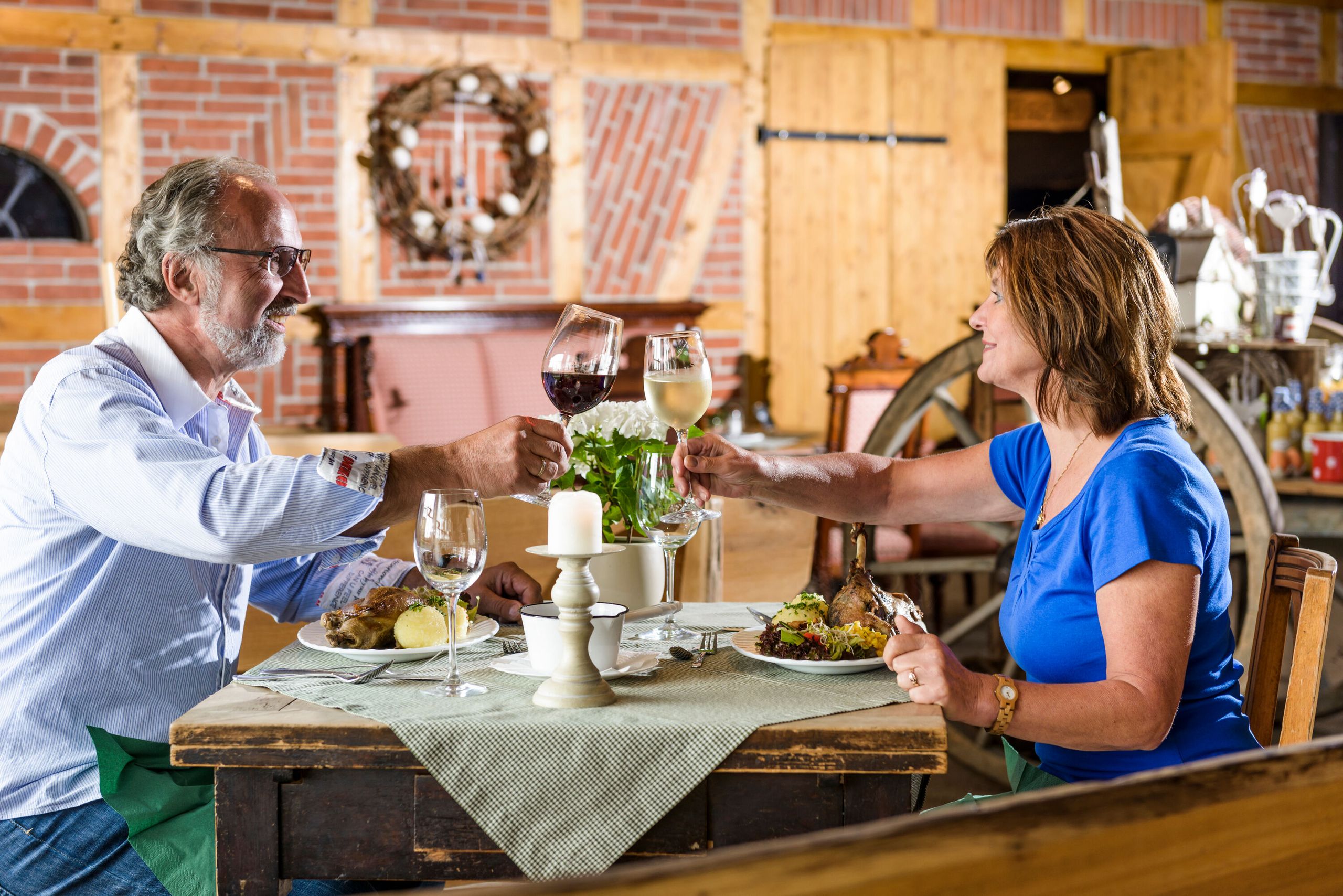
Wermsdorf Goose Farm Eskildsen is one of the most highly regarded operations of its kind internationally and even exports breeding geese to Canada and Australia.
Up to 19,000 meat geese and 6,000 breeding geese live on the free-range site in Wermsdorf. Around 200,000 chicks, known as goslings, also hatch each year. In keeping with tradition, business is especially brisk here around Christmas. Around 15,000 geese are sold at the Wermsdorf Goose Market in the run-up to Christmas from November 1 to December 22. Thanks to free-range farming, the animals, which weigh several kilograms, have little fat, a firm meat texture and a full flavor.
Wermsdorf chocolate creations
Founded in 2004 and based in Wermsdorf since 2012, Chocolaterie Olav Praetsch offers everything chocolate lovers could wish for. Whether milk chocolate, nougat, pistachio, marzipan or pralines with exotic fruit centers and a poppy seed topping – the variety is limitless. The chocolatier even refines liver pâté with chocolate from time to time, turning it into a delicacy.
Olav Praetsch sources the raw chocolate for his unusual creations from one of the world’s best manufacturers in the French Rhône Valley. He avoids not only preservatives and freshness-retaining agents, but also all foreign fats.
-
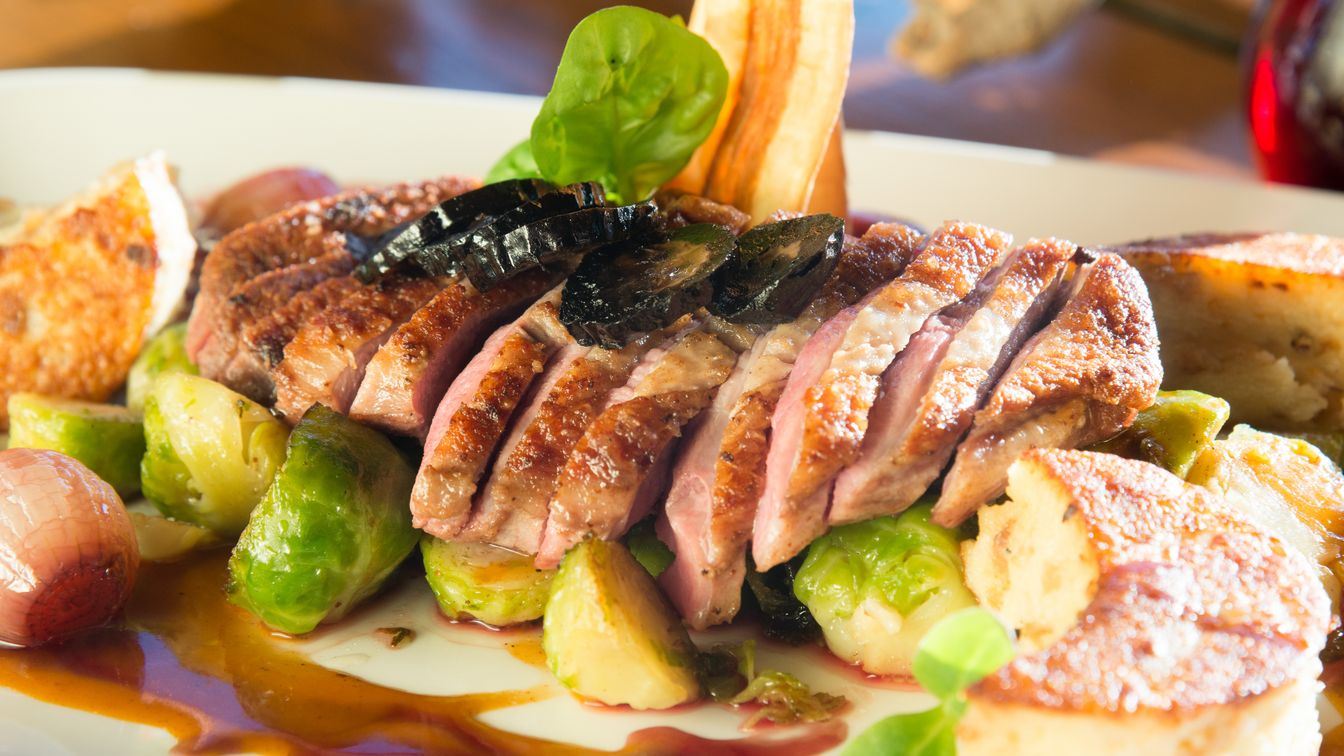 RegioBrunch
A culinary journey through the Leipzig region
-
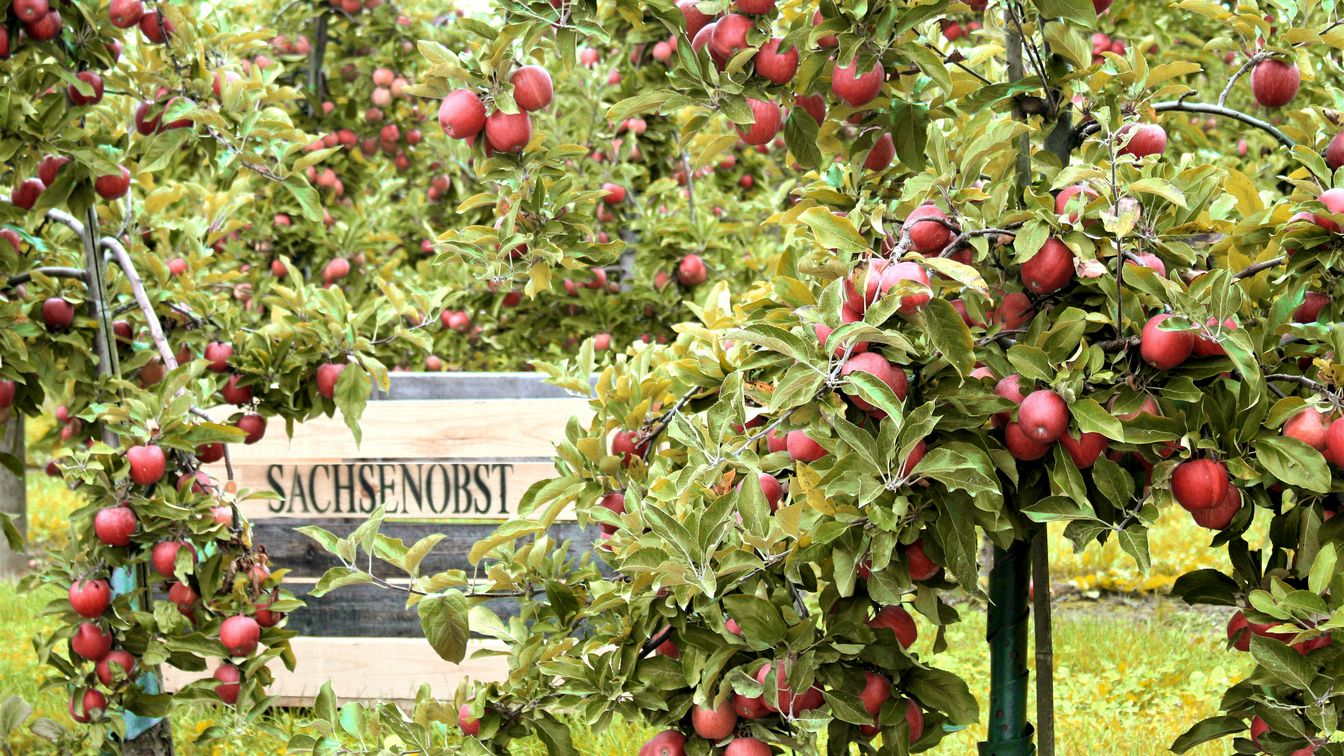 Obstland Cycle Route
Out and about on the Obstland Route
-
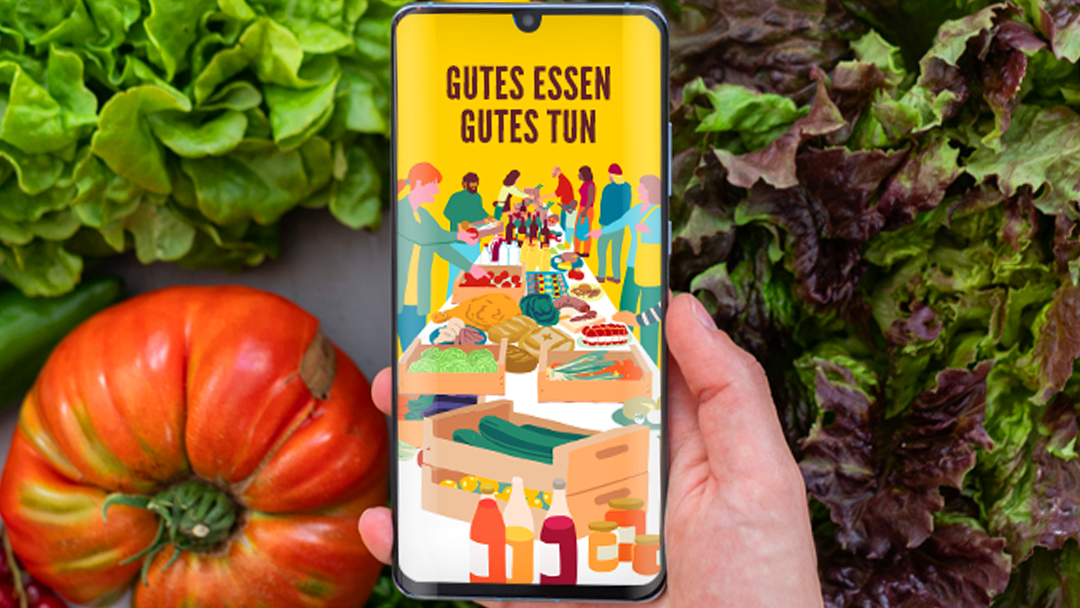 Marktschwärmer
Fresh produce from local producers
Regional and farmers’ markets
Fresh produce from direct sellers
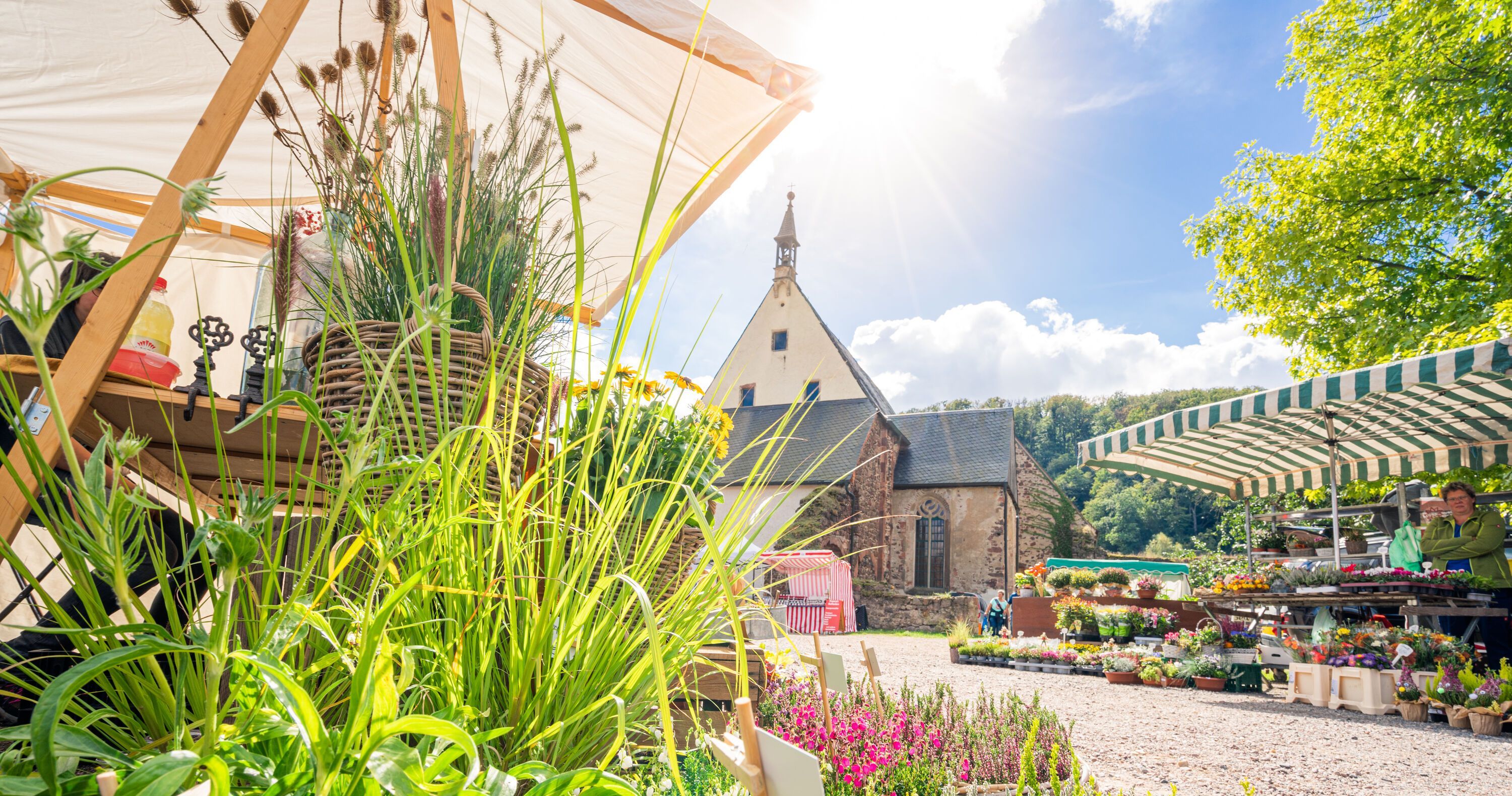
Regional products are playing an increasingly important role when shopping. That’s why a trip to the many regional and farmers’ markets in the Leipzig Region is especially worthwhile. Real favourite markets include the farmers’ markets at Buch Monastery near Leisnig, the fresh produce markets in Grimma Monastery Church, the “Delitziösen” evening markets in Delitzsch, as well as the regional markets in Rochlitz and Geithain. Here, numerous direct sellers offer you fresh produce from their own cultivation, livestock farming and production, as well as artisan and handcrafted products .
In Leipzig, you can find fresh produce at the weekly markets and in Plagwitz at the Saturday market.
(Organic) farmers and farm shops
Are you in the mood for regional specialties and good, fresh products directly from producers nearby? Then you should pay a visit to the (organic) farmers and farm shops in the Leipzig Region. Here you will find a wide selection of fresh eggs, meat, fish, cheese, seasonal fruits and vegetables, and many other treats.
Regional products from Leipzig and the region
-
Sweets and baked goods
-
Fashion and jewelry
-
Musical instruments
-
Cosmetic products
-
… and much more!


